

People & culture
A destination committed to sustainable tourismVanuatu is much more than a paradise for adventure seekers, culture enthusiasts and relaxation lovers. It is also a destination committed to sustainable tourism. Through innovative initiatives, the country preserves its natural resources, values its cultural traditions and supports local communities.
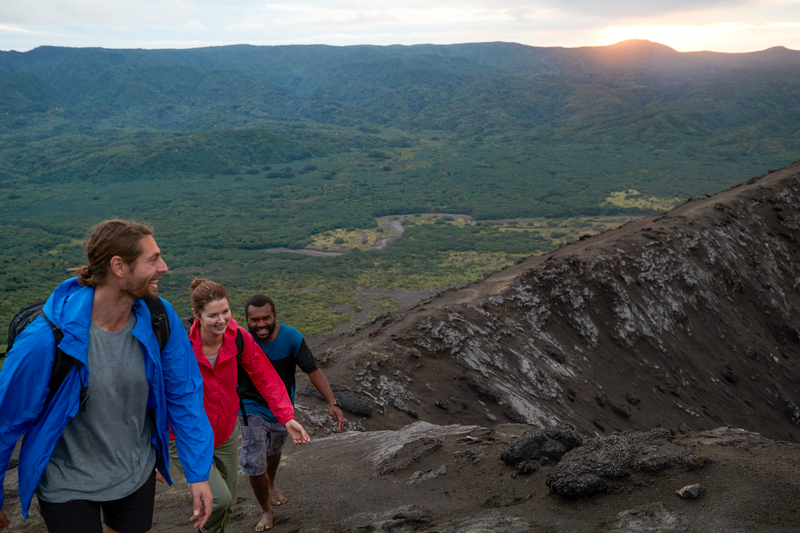
Low-impact adventure tourism
Adventure tourism designed to be environmentally friendly and nature-focused: hiking Mount Yasur, exploring the Dog’s Head Trail in Malekula, swimming with dugongs in the Maskelynes Islands, and guided treks to Ambrym’s twin volcanoes.
These excursions showcase breathtaking landscapes and teach visitors how to protect biodiversity and respect natural sites.
Promoting cultural events (Kastom)
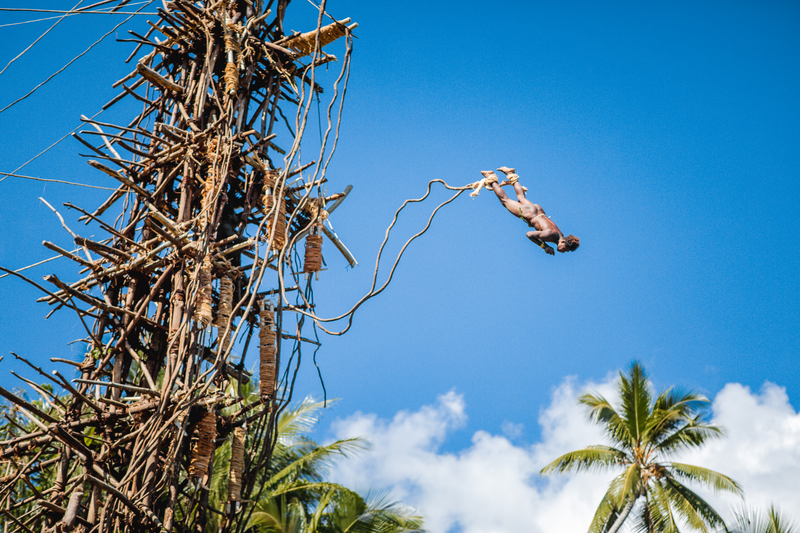
A calendar of kastom events, such as the famous Nagol (land diving) and the Rom dance festival on Ambrym, shows off ancestral traditions and brings direct economic benefits to local communities.
Attending these events also spreads tourist flows throughout the year and avoids overcrowding in peak seasons.
Community tourism with island bungalows
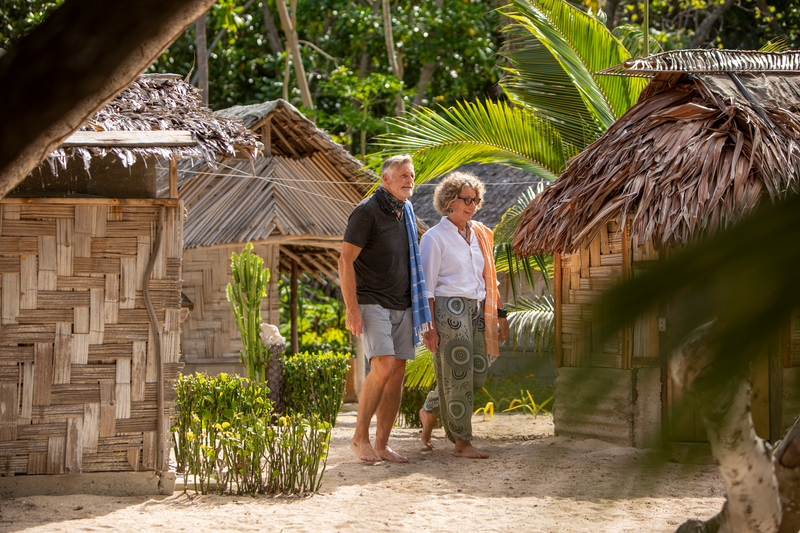
Island bungalows offer an immersive experience of local life. They are often built with natural materials and powered by solar energy, which reduces their ecological footprint.
Staying in them directly supports local families and the economic development of rural areas.
Agritourism and local products
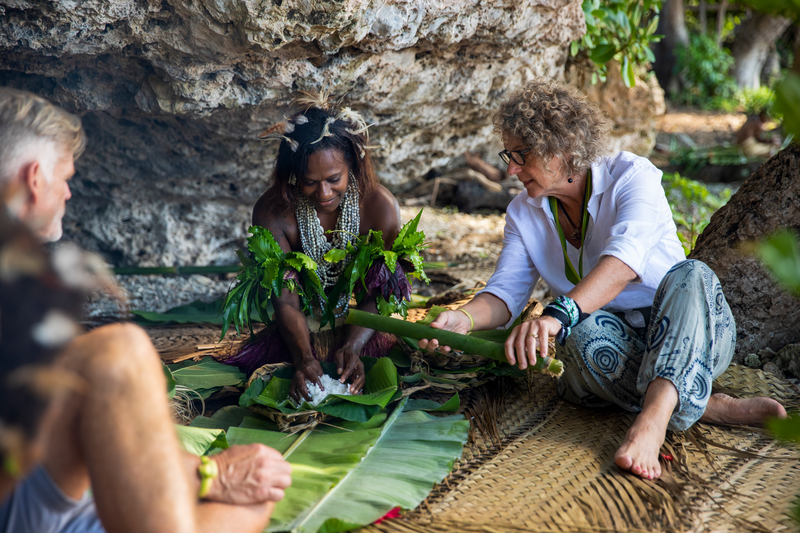
Visitors can discover coffee cultivation on Tanna, visit vanilla farms in Santo, or join local cooking workshops. This supports small producers while offering authentic food experiences.
Oceans & reefs
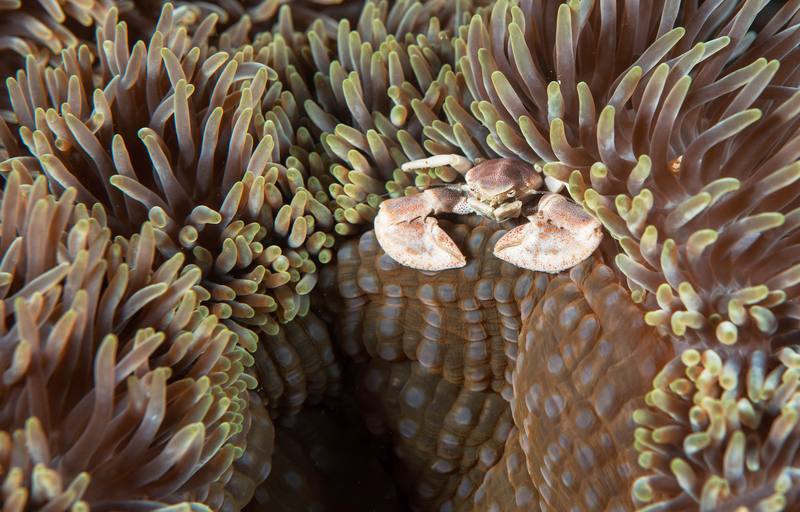
Marine protectionMarine conservation and coral restoration
Coral planting initiatives and marine protected areas, such as the Rockwater Resort Marine Sanctuary, the Hideaway Island Marine Reserve and the Rowia coral planting initiative, work to restore damaged reefs. Visitors can take part in coral planting workshops.
The Maskelyne Island clam shell conservation project and dugong conservation area also protect marine life.
Sustainable cruise tourism
Cruise ships are welcomed in specific zones, such as Mystery Island, where visitor numbers are strictly controlled. Passengers follow set paths to protect local traditions and marine ecosystems, and waste management protocols apply at every stopover.

Reducing single-use plastics
Visitors are encouraged to use reusable water bottles, cloth bags and biodegradable packaging. Hotels and restaurants, like Ratua Island Resort and South Pacific Memories, offer filtered water stations and reusable bottles.
Blue Pacific World, a local ocean conservation enterprise, has partnered with Ramada resort, Jills Cafe and Breakas resort to offer reusable bottles to customers.

Responsible interactions with dugongs
To protect this vulnerable species, the Vanuatu Environmental Science Society (VESS) has set guidelines for interacting with dugongs, such as keeping a respectful distance and avoiding intrusive behaviour.
Guided observation tours led by local experts let visitors enjoy the experience while respecting the dugongs’ habitat.

Protecting natural spaces
Santo conservation areas07. Protected natural areas play a crucial role in preserving biodiversity and paving the way for more environmentally friendly tourism. On Santo, they shelter pristine forests and rare, sometimes endemic species, and offer visitors authentic experiences in nature.
Read more about this conservation space: Vatthe Conservation.
- Big Bay Conservation Area
- Vatthe Conservation Area
- Responsible hiking and local wildlife discovery
- Environmental awareness led by local communities

By choosing Vanuatu, you’re not only exploring breathtaking landscapes and vibrant cultures. You’re also contributing to a sustainable future where tourism respects the environment, preserves traditions and supports local communities.