

Kastom
The customs or kastom, beliefs and ancestral practices that still shape daily life across the islands — older than any church or constitution.
More than a word
In Vanuatu, kastom is more than just a word — it is a way of life. It encompasses the customs, beliefs and ancestral practices passed down through generations, shaping the society and identity of the Ni-Vanuatu people. Deeply rooted in spirituality, rituals and community traditions, kastom influences ceremonies, dance, art, clothing and even village governance.
Each island has its own variations, but all share a common vision: respect for ancestors, harmony with nature and the transmission of knowledge. Exploring kastom is a journey into the heart of Vanuatu's culture, offering a rare and authentic experience through unique rituals, stories and craftsmanship.
10 ways to experience kastom
Drink kava at a nakamal
Witness Nagol land diving
Visit a cultural village
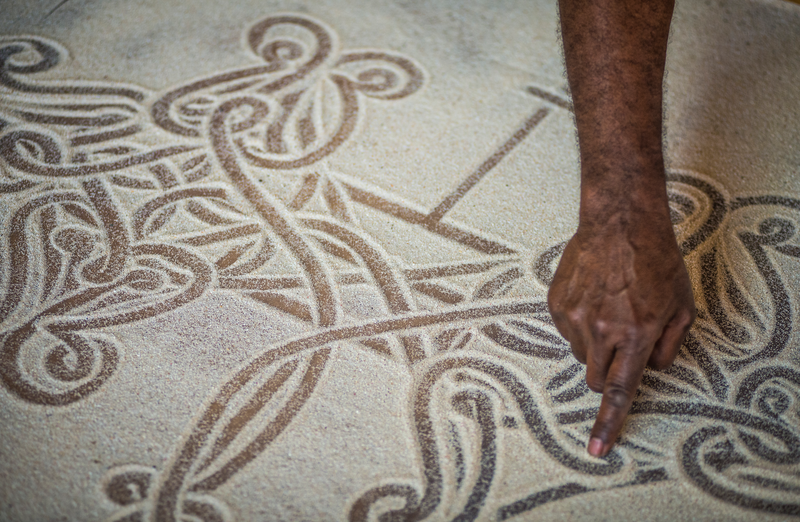
Sand drawing at the National Museum
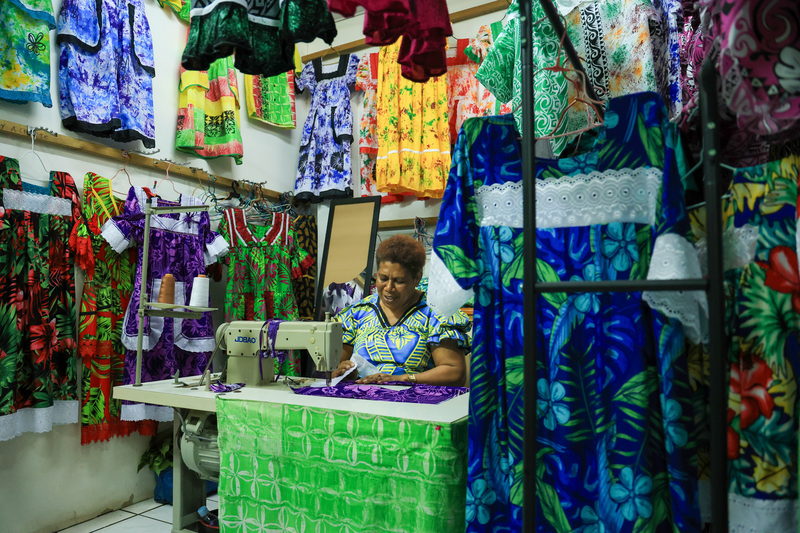
Have a mama sew an island dress

Traditional carving at the handicraft market
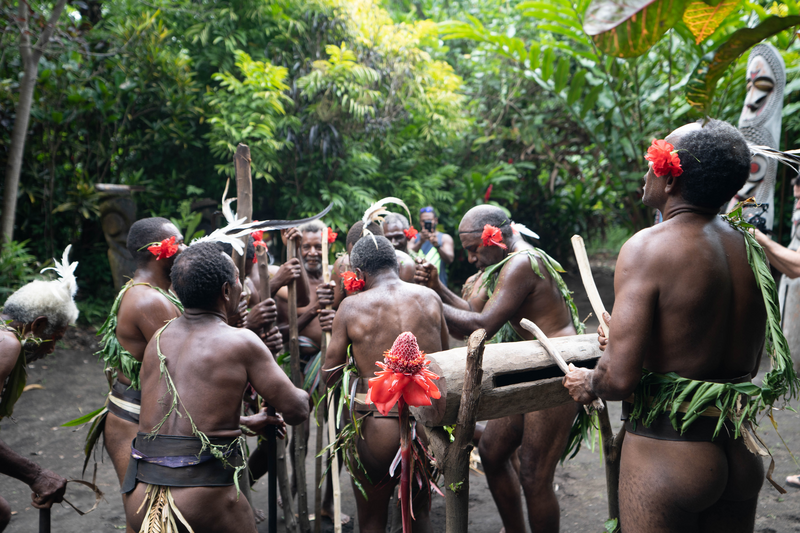
Attend a festival on Ambrym

Witness a kastom wedding
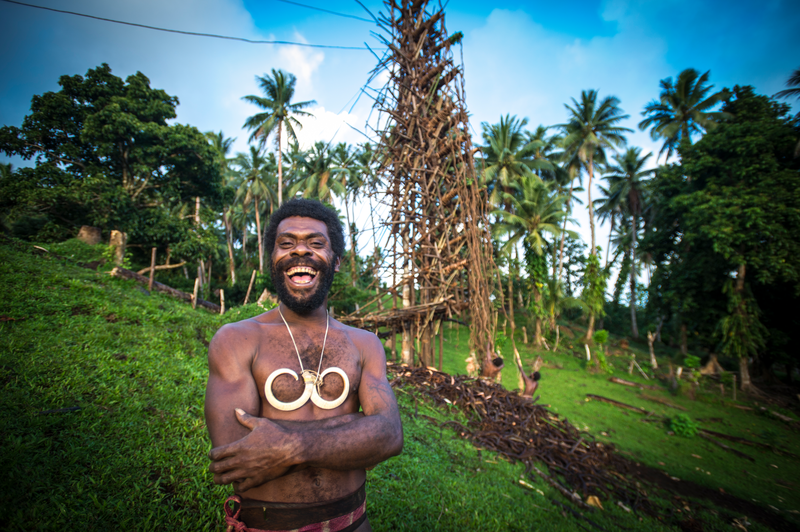
Learn the symbolism of tusked pigs
Watch or join a kastom dance
Drink kava at a nakamal
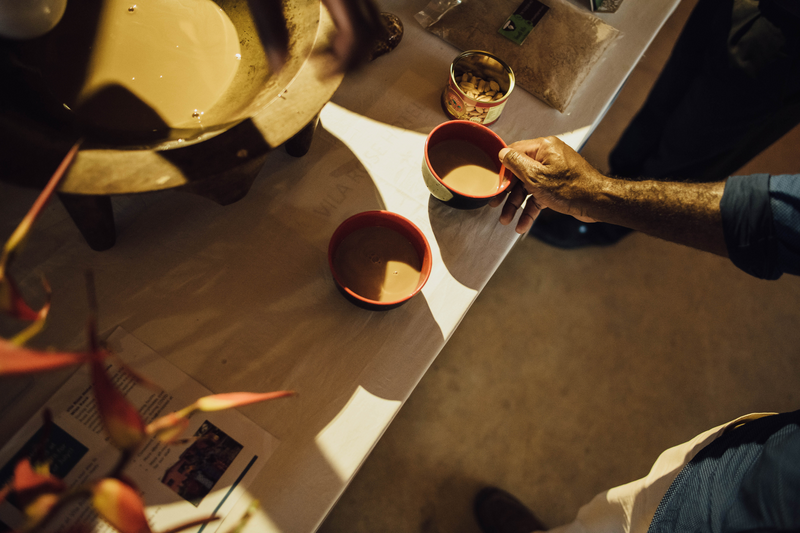
Kava comes from the root of a pepper plant native to the islands, pounded and strained into an earthy, faintly sedating drink. It sits at the centre of Ni-Vanuatu social and spiritual life, poured to mark a gathering, welcome a guest, or work through a disagreement without letting it turn into a dispute. A nakamal — the open-air kava bar found in almost every town and village — is the natural place to try it. Most will happily explain how the root is prepared and what the ritual around each shell actually means.
Back to all 10Witness Nagol land diving
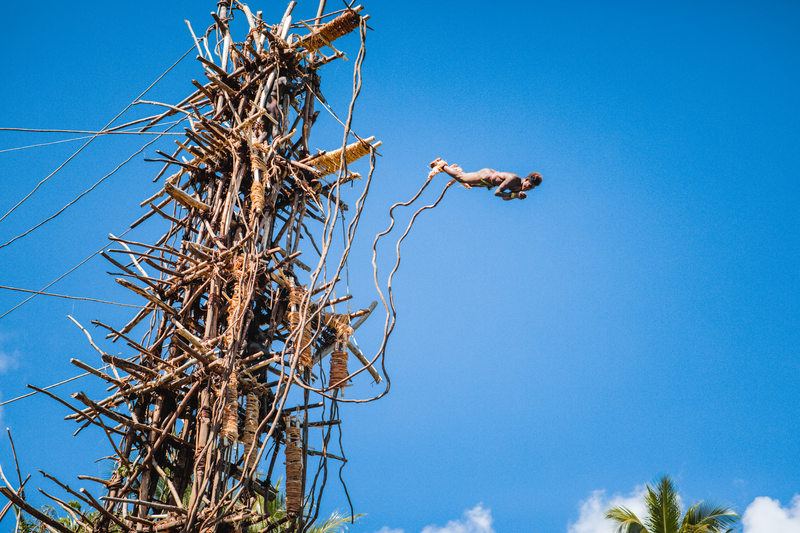
Nagol, or land diving, is among the most extraordinary rituals anywhere in the world, and it happens nowhere but here. Between April and June, men and boys from Pentecost Island climb hand-built wooden towers up to 30 metres tall, tie liana vines around their ankles, and dive head-first toward the earth — trusting the vine's stretch to stop them just short of the ground. The custom is tied to the yam harvest and doubles as a rite of passage for young men entering adulthood. Villages on Pentecost host the ceremony most Saturdays through the season, and it can only be watched, never performed, by visitors.
Back to all 10Visit a cultural village
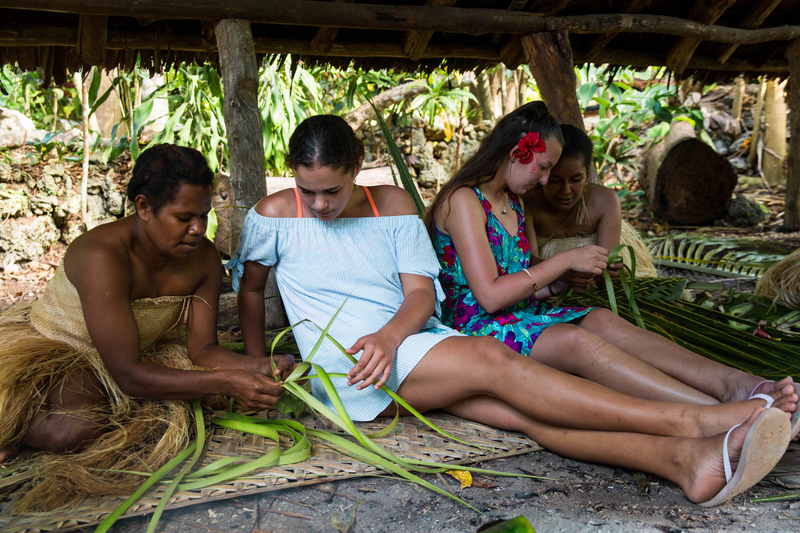
A handful of villages across the islands keep their traditional way of life on show for visitors, without turning it into a costume. Walking through one means seeing thatched architecture built the old way, hearing how spiritual belief still shapes decisions about land and family, and getting a sense of how a community actually organises itself day to day. Most welcome you to join in rather than just watch — weaving a basket, working a garden bed, or sitting in on a story an elder is telling the way it's always been told.
Back to all 10Sand drawing at the National Museum
The Vanuatu National Museum in Port Vila is the easiest single stop for understanding kastom in depth — its collection covers the country's history, art and belief systems in one place. Its centrepiece is sand drawing, a form of storytelling recognised by UNESCO as intangible cultural heritage: an artist traces a complex, symmetrical pattern into sand or ash using one unbroken line, each design encoding a story, a genealogy, or a piece of practical knowledge. The museum runs live demonstrations alongside its wider exhibits of kastom artefacts, so you can watch the line take shape and ask what it means as it's drawn.
Back to all 10Have a mama sew an island dress
The island dress — loose, brightly patterned and floor-length — is the everyday and ceremonial garment of Ni-Vanuatu women, worn with a modesty that predates missionary influence but has since absorbed it too. Market stalls across Port Vila and Luganville sell fabric by the metre, and a local mama will measure and sew a dress to fit while you wait or return the next day. Every print and colour combination carries its own small meaning, and commissioning one is as much a conversation with the woman making it as it is a purchase.
Back to all 10Traditional carving at the handicraft market
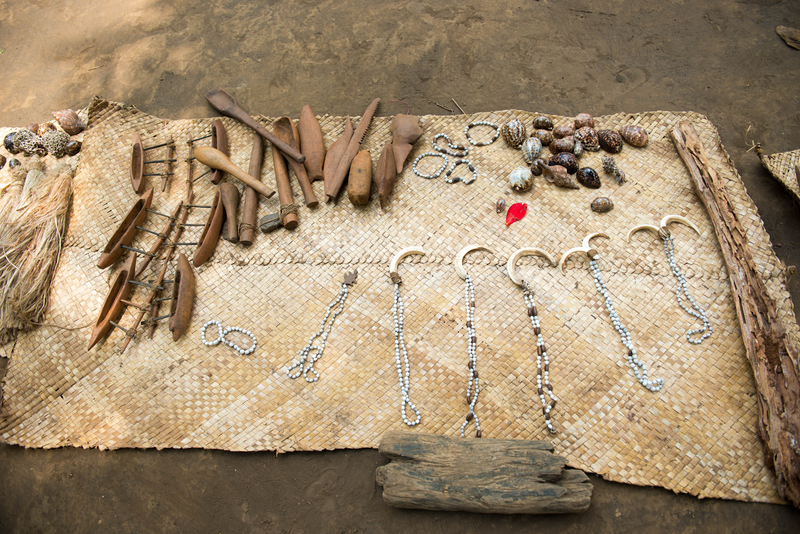
Handicraft markets across the islands are stacked with carved wooden figures, tam-tams (tall slit drums carved with ancestral faces), and finely woven mats and baskets. Carving in particular is bound up with kastom belief — many figures represent ancestors or spirits, and the patterns cut into a tam-tam or a mask are rarely just decorative. Buying directly from the artisan making the piece is the best way to hear that meaning first-hand, and to bring home something with a story attached rather than a generic souvenir.
Back to all 10Attend a festival on Ambrym
Ambrym has long been known across Vanuatu as the island of black magic, and its festivals lean into that reputation rather than away from it. Traditional dance, ancestral storytelling and ritual performance take over the villages during festival periods, most famously in the Rom Dance — dancers hidden under towering carved masks and full banana-leaf costumes, moving to drumming that dates back generations. Some festivals also include demonstrations tied to the island's magic practices, a genuinely rare window into a spiritual tradition most visitors never get close to.
Back to all 10Witness a kastom wedding
A kastom wedding is less a private event than a negotiation between two families made public. Pigs, hand-woven mats and kava are exchanged as part of the bride price, with the details worked out well ahead of the ceremony itself. If you're fortunate enough to be invited, expect a full day built around ritual exchange, a shared feast that draws in the wider community, and dancing that runs alongside — and sometimes through — the formal proceedings.
Back to all 10Learn the symbolism of tusked pigs
Few objects carry as much weight in kastom life as a pig with curved tusks. Raised and deliberately shaped over years, a tusker represents wealth, standing and patience, and functions almost as currency — exchanged at weddings, offered to settle a dispute, or presented when a man takes on a chiefly title. Asking a village host about their pigs is rarely small talk; it's usually the fastest way into a much longer conversation about how status and obligation actually work here.
Back to all 10Watch or join a kastom dance
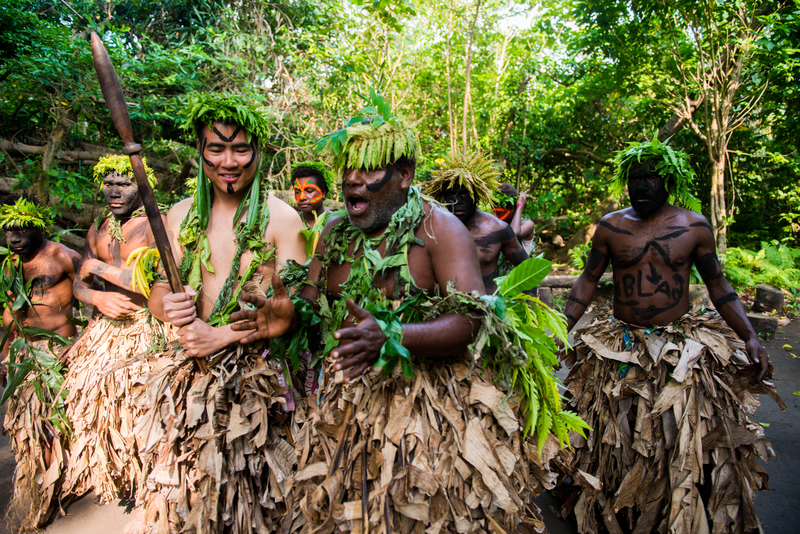
Every island keeps its own dances, and most have been handed down largely unchanged for generations. They aren't performed for their own sake — a dance might tell a story, mark a harvest, honour an ancestor, or simply confirm that a community event is officially underway. Chanting, drumming and elaborate dress usually go with them, and during a festival or a village visit you may find yourself pulled in rather than left to watch from the side. It's often the moment a trip stops feeling like sightseeing.
Back to all 10Before you visit
Ask a local guide or bungalow host to arrange village access — most land, gardens and waterfalls are customarily owned.
In the village
Dress modestly, greet people on arrival, and always ask before photographing anyone or entering a home or nakamal.
Best season
April to June is prime time for Nagol land diving on Pentecost — ceremonies run most Saturdays.