

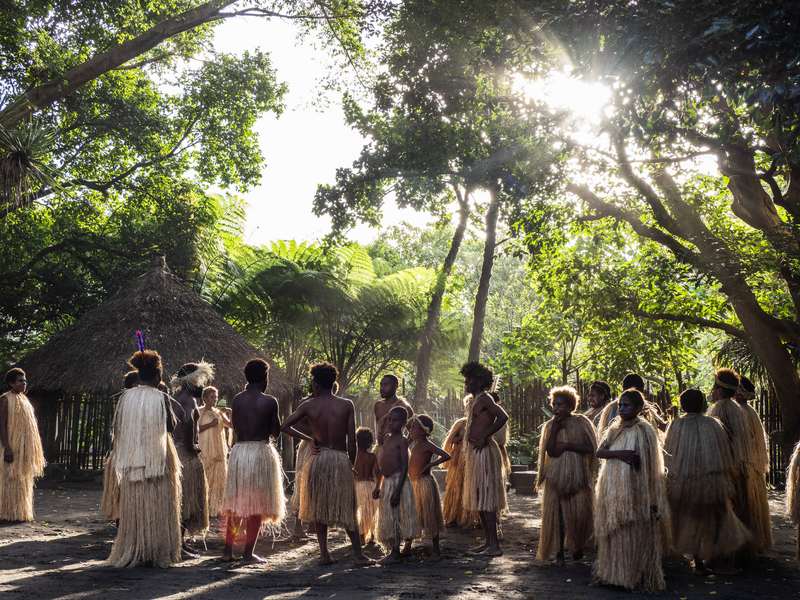
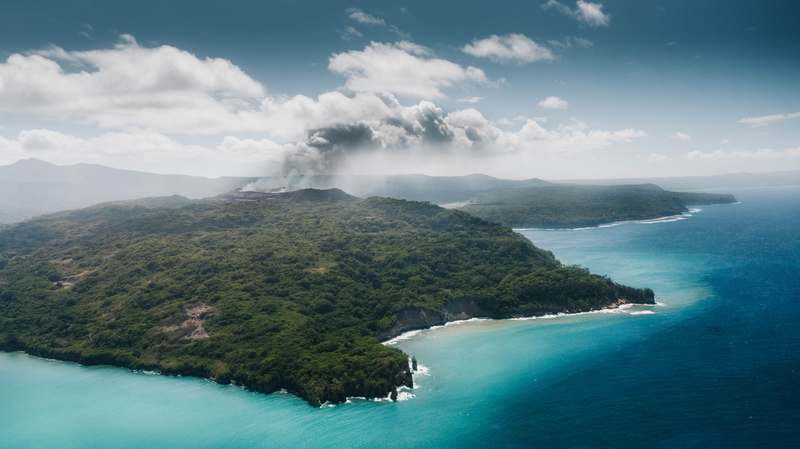
When people know Vanuatu and think of Tanna, they think of the majestic Mt Yasur, and for good reason; the world’s most accessible active volcano is truly a sight to behold and lights up the night sky. Beyond Yasur, the island has much to offer travellers, from cenote like blue caves to cultural villages, amazing diving to treehouses high above the jungle. Breathe in and take your time to explore Tanna.

Planning a Trip to Tanna


What to do in Tanna
- all
- nature
- wellness
- adventure
- cruising & sailing
- romance
- family
- food & drink
- culture


Where to stay in Tanna



Twenty Must Do Experiences in Vanuatu
Prepare for an unforgettable Vanuatu adventure. With such a diverse offering, you're in for a 'relaxing adventure' like no other.
Frequently Asked Questions
Most visitors fly from Port Vila to Whitegrass Airport on Tanna’s west coast. Domestic flights are the practical way across, and it is wise to allow a little flexibility in case weather affects small-aircraft services. From Whitegrass, transfers are usually by 4WD along unsealed roads to west-coast stays or further inland toward the volcano. Confirm your onward pickup with your hosts before you fly.
On Tanna, 4WD is the usual way to move between the west coast, villages, and Mount Yasur. Roads are unsealed in many places, and distances that look short on a map can take time. Many guests arrange transfers and day trips through their bungalow or a local guide rather than driving independently after dark. Walking is fine around your village or resort, but island-wide travel is best planned in daylight.
Expect limited night lighting, patchy mobile coverage away from towns, and few ATMs or card facilities once you leave the airstrip area. Power and hot water can be basic at some bungalows, and shops are modest compared with Port Vila. Bring cash in vatu, a torch, and a flexible mindset. Town water is less reliable than in Vila, so bottled water is the safer choice for sensitive stomachs.
Three to five nights is a common stay and gives you time for Mount Yasur plus a slower look at villages, reefs, or the east coast. A shorter visit can still include the volcano, but more of your time will be spent on the road. If you want Yasur at dusk and a cultural village or Blue Cave day, extra nights help. Tanna rewards travellers who do not rush.