

Located in the central region of Vanuatu, Malampa Province is a land where ancestral customs, spectacular volcanic landscapes, and pristine nature come together. Its name is derived from the three main islands that compose it: Malekula, Ambrym, and Paama. Each offers a unique experience, from tribal rituals and volcanic treks to traditional island life.
Malampa is a province deeply rooted in kastom, where beliefs and traditions have been passed down for generations.
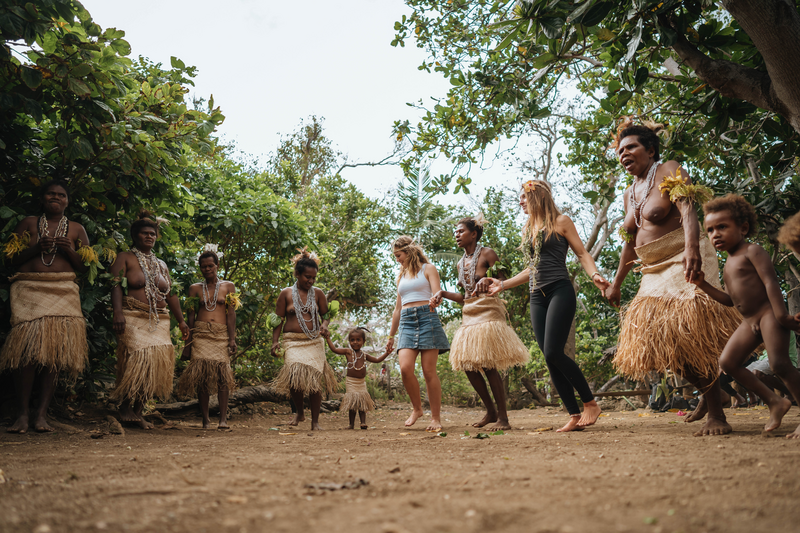
- Malekula – Home to the famous Small Nambas and Big Nambas tribes, known for their ritual dances, traditional pandanus leaf attire, and tribal ceremonies. These groups preserve fascinating cultural practices, including yam farming, kava preparation, and storytelling of ancient myths.
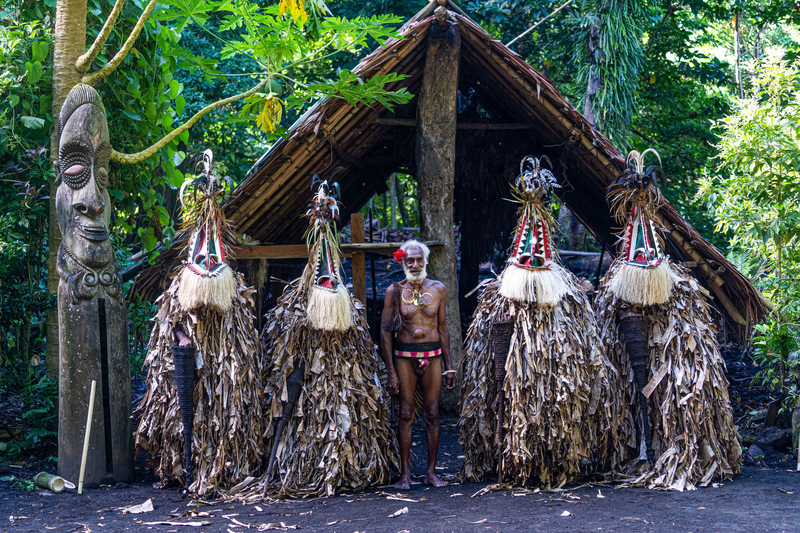
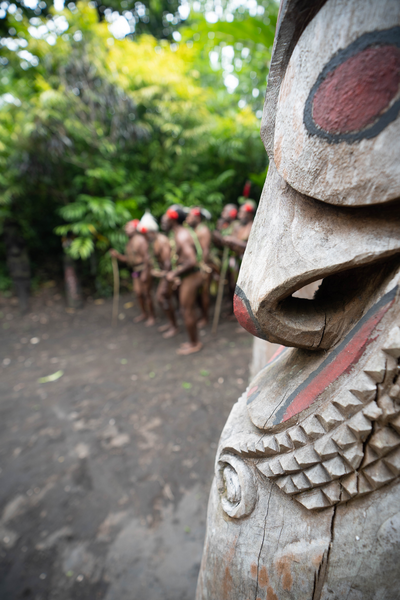
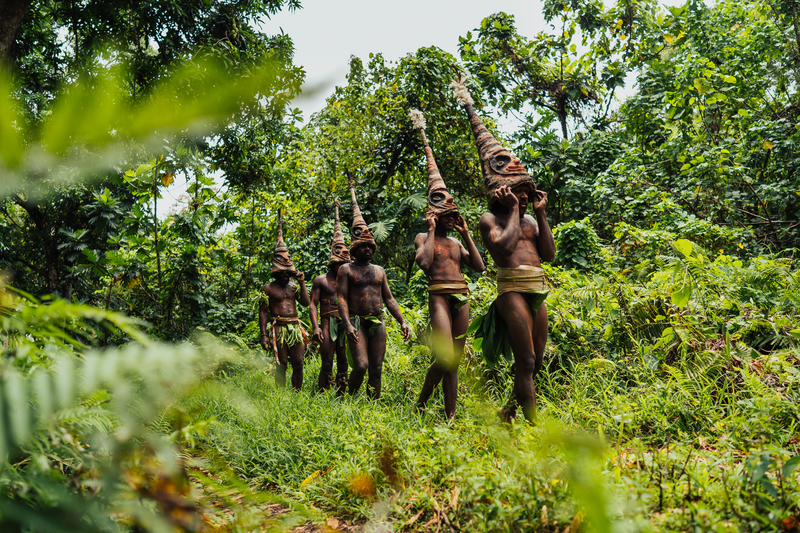
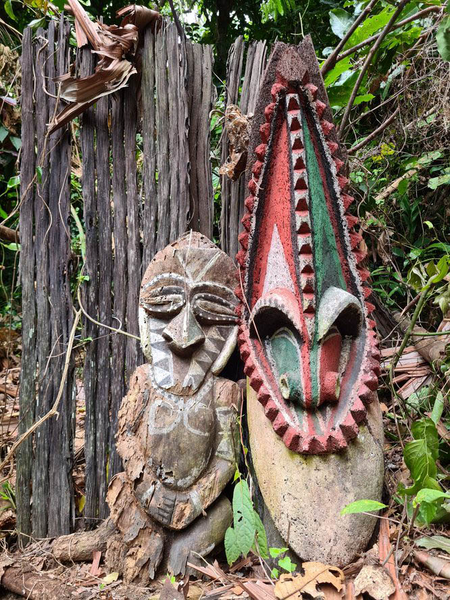
- Ambrym – Nicknamed the "Island of Black Magic", Ambrym is renowned for its mystical rituals, sacred wood carvings, and the famous Rom Dance, a masked dance performed during spiritual and initiation ceremonies. The island is also home to talented carvers, who create intricately crafted masks and tam-tams (slit drums).
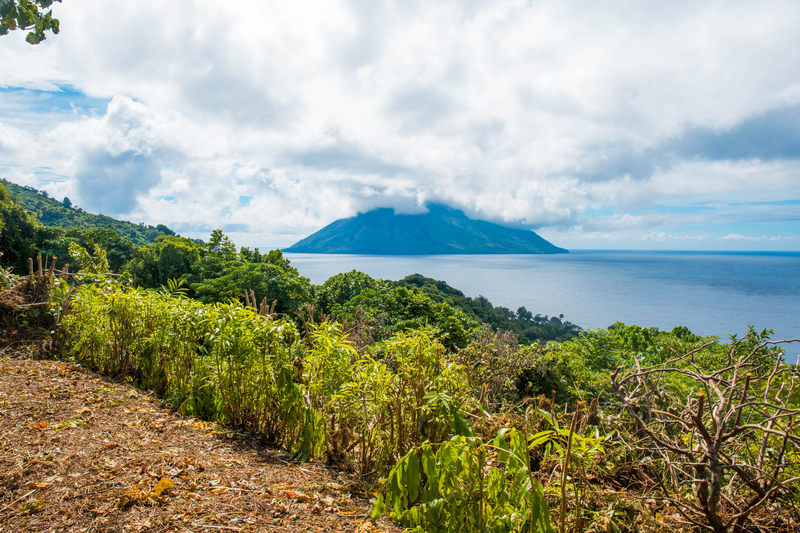
- Paama – The smallest and most peaceful of the three, Paama is an island where time seems to slow down. It offers an authentic immersion into traditional village life and a breathtaking view of Lopevi Volcano, one of Vanuatu’s most active volcanoes.
Malampa is a true sanctuary of kastom, where ritual dances, wooden sculptures, and ancient practices continue to shape daily life. Whether you are passionate about volcanoes, cultural encounters, treks, or aquatic adventures, Malampa promises unforgettable experiences.
Islands
Malekula – The Island of Kastom Tribes
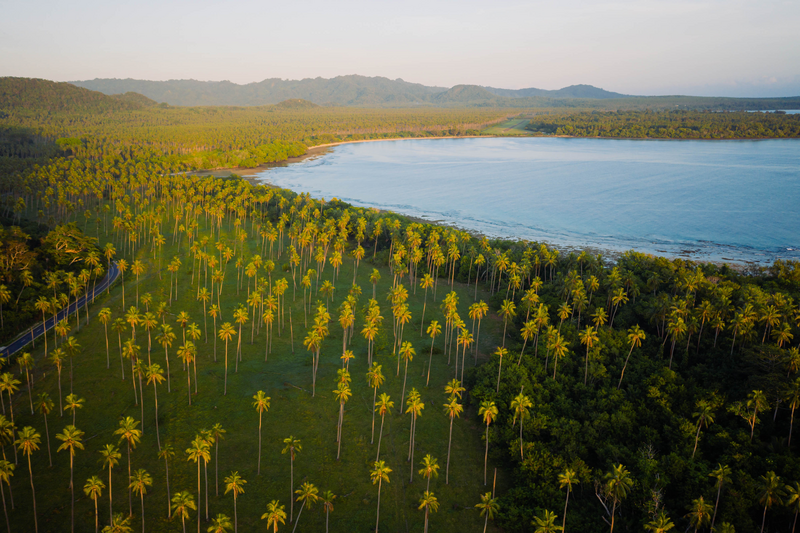
Home to the Small Nambas and Big Nambas tribes, Malekula is one of the best places in Vanuatu to experience traditional culture. The locals still practice ceremonial dances, yam farming, and tribal rituals. Nature lovers will also enjoy Malekula’s stunning hiking trails, such as the Manbush Trail and Dog’s Head Trail, which pass through traditional villages, tropical rainforests, and wild coastlines.
Islands
Ambrym – The Island of Black Magic and Volcanoes
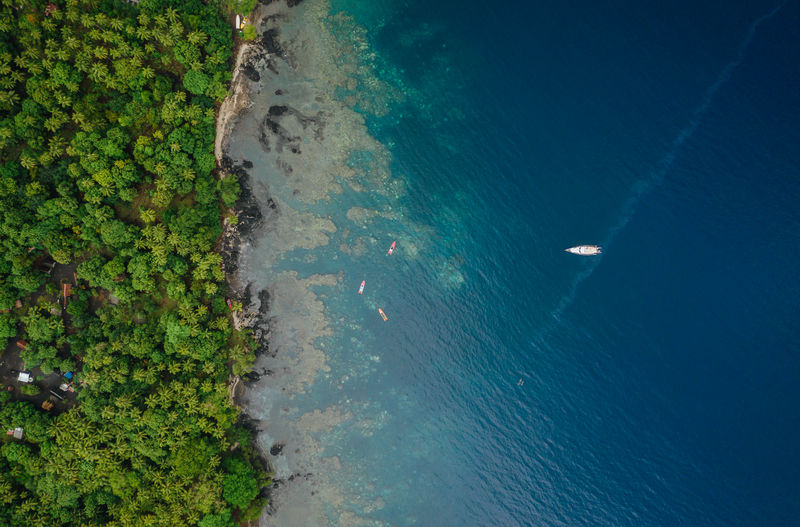
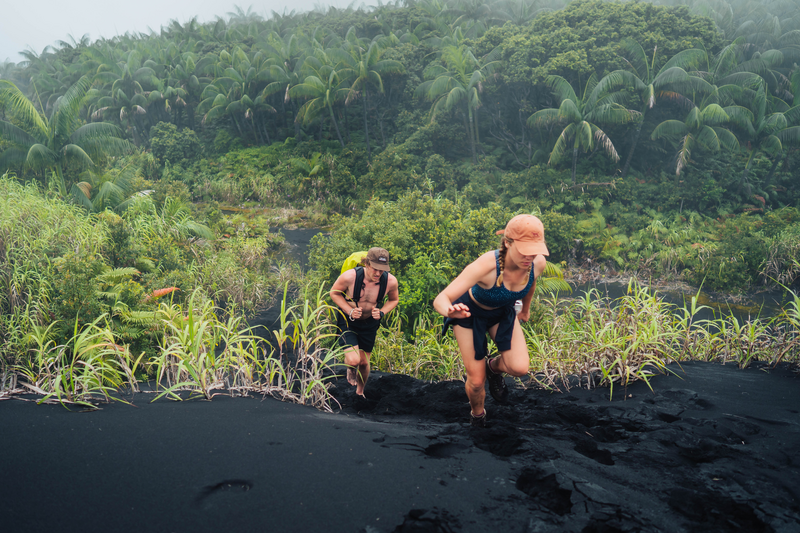
Ambrym is a mystical and fascinating island, known for its black magic rituals and lunar volcanic landscapes. The twin volcanoes of Benbow and Marum attract hikers and adventurers from around the world, offering exceptional treks across ash plains and steaming craters. The island is also famous for its Rom Dance, a sacred masked performance, and for its traditional wood carvings, including tam-tams (slit drums) and sacred masks.
Islands
Paama – A Tranquil Island with Views of Lopevi
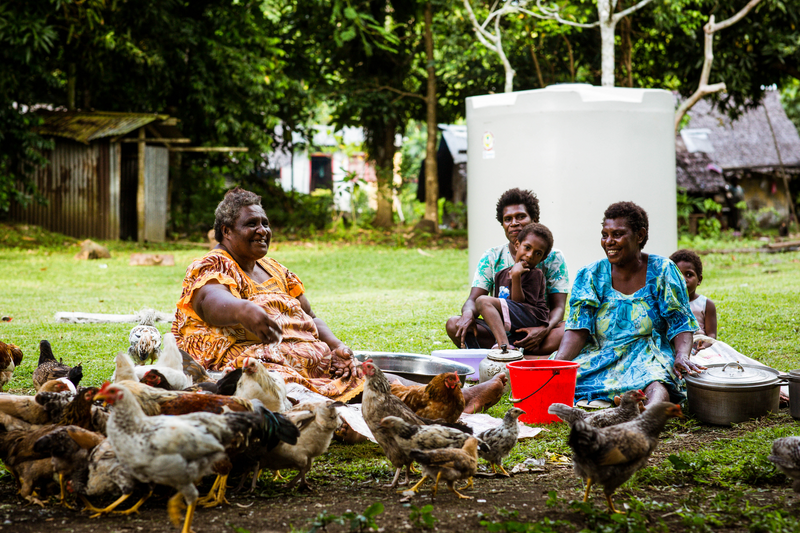
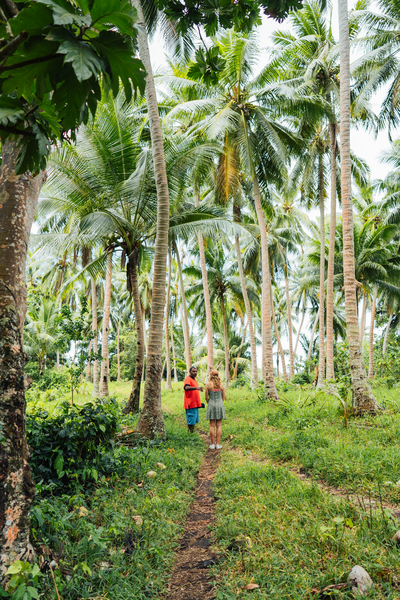
The smallest island in Malampa, Paama is a peaceful retreat, offering a deep dive into traditional village life and a breathtaking view of Lopevi Volcano, whose conical silhouette rises dramatically from the ocean. A scenic trek across Paama provides spectacular panoramas and an opportunity to explore its rolling hills and secluded beaches.
10 Must-Do Experiences in Malampa Province
- all
- nature
- wellness
- adventure
- cruising & sailing
- romance
- family
- food & drink
- culture
Explore Malampa
Malampa is accessible via regular domestic flights connecting its main islands to Port Vila (Efate) and Luganville (Espiritu Santo). The province has three airports:
- Norsup (Malekula) – The main gateway to Malekula, with flights from Port Vila and Santo.
- Craig Cove (Ambrym) – Located on Ambrym’s western coast, perfect for accessing the Benbow and Marum volcano treks.
- Paama – A small airstrip connecting the island to Port Vila and Santo.
Boats and cargo ships also operate between Port Vila, Santo, and the islands of Malampa, providing a more immersive way to explore the archipelago. A map of flight routes and ferry travel times can help plan your journey to this culturally and naturally rich province.